Ever wondered who the giants of the insurance world are, and how they have shaped the industry? Well, you’re in the right place! We’re diving deep into the histories, products, and market performances of the top three insurance companies. Our journey will unravel their stories of success, innovation, and global reach.
In this guide, you’ll discover the evolution and milestones of these leading companies, their unique offerings, and what makes them stand out in a highly competitive market. Whether you’re seeking information for investment, business insights, or just sheer curiosity, we’ve got you covered with all the details right here.
History and Background of Top Insurance Companies
Ever wondered how the giants of the insurance world got started? The top three companies today didn’t just appear overnight. Their journeys are a mix of innovation, strategic moves, and resilience. Let’s dive into their fascinating histories.
These companies have been around for decades, adapting to changes in the market and economy. They’ve survived financial crises, expanded globally, and played pivotal roles in shaping the insurance industry as we know it. Here’s how they did it.
The Rise of the First Insurance Powerhouse
Founded in the early 1900s, our first company began as a small regional insurer. Over the years, it grew by pioneering new insurance products that catered to emerging risks. Key milestones include its first international expansion in the 1950s and a major acquisition in the 1990s that solidified its position as a global leader.
In the 2000s, the company was recognized for its innovative use of technology to streamline claims processing. It wasn’t always smooth sailing, though. They faced a massive challenge during the financial crisis but emerged stronger, thanks to their diversified portfolio.
Expanding with Strategic Acquisitions
The second top insurer was born from a merger of two regional companies in the 1930s. Fast forward a few decades, and this company became well-known for its aggressive acquisition strategy. They acquired smaller competitors, allowing them to rapidly scale and dominate new markets.
By the 1980s, they were a household name, offering a wide array of insurance products. But it was their strategic pivot to digital services in the 2010s that set them apart, earning numerous accolades for customer satisfaction and innovation.
Innovation and Customer-Centric Approach
The third company started as a disruptor in the late 20th century. Unlike its predecessors, it focused heavily on customizing insurance solutions to meet individual customer needs. This customer-centric approach paid off, as evidenced by their rapid growth and loyal customer base.
They made headlines in the 2000s with a groundbreaking partnership with tech companies, leading to the industry’s first comprehensive digital insurance platform. This move not only won them numerous industry awards but also positioned them as a model for future insurers.
Pro Tip: The key takeaway from these histories? Adaptability and a customer-first mindset are crucial for longevity in the insurance game.
Key Products and Services Offered
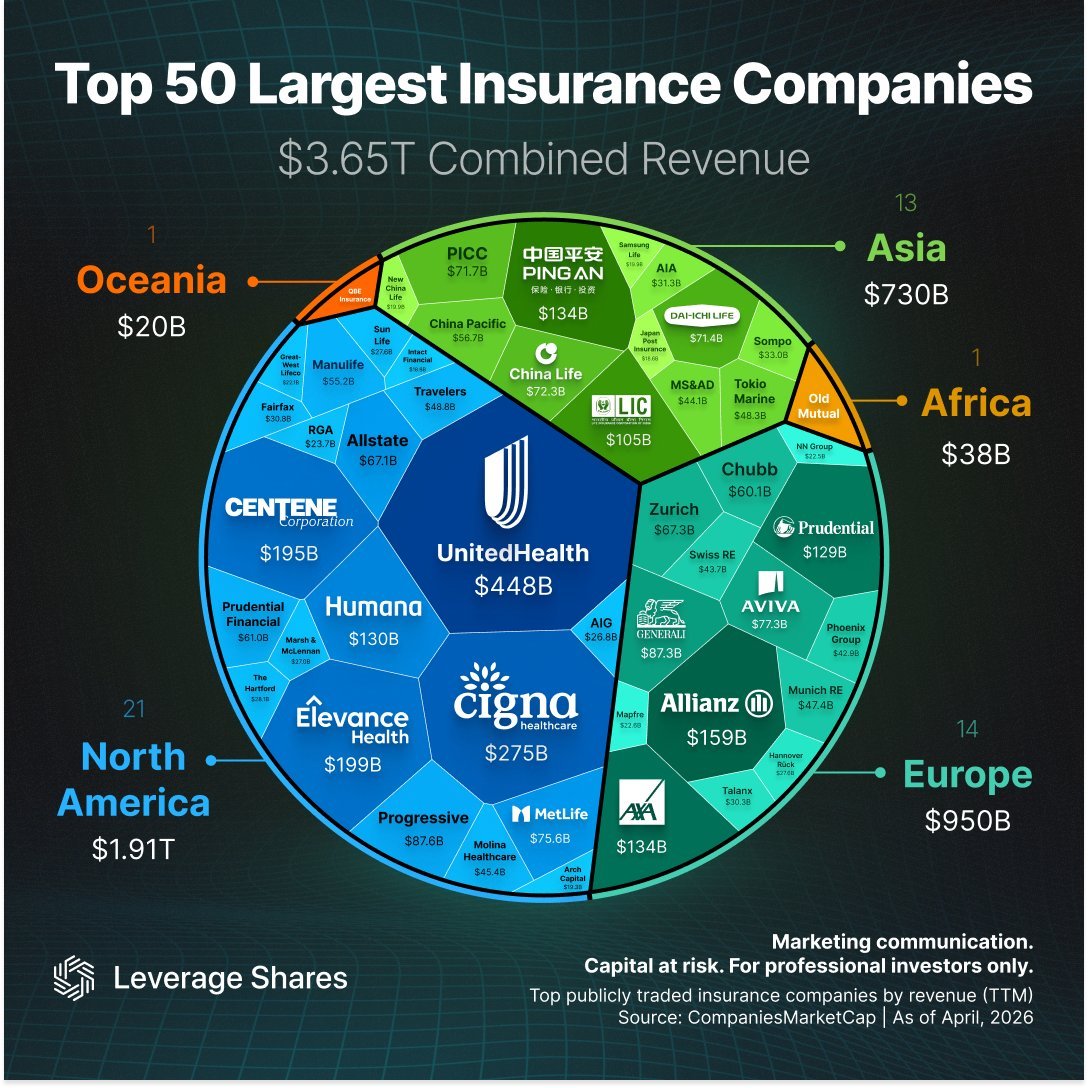
Ever wondered what sets the top insurance companies apart? Let’s dive into their standout products and services.
Each top insurer offers a unique suite of products, but how do they compare? Here’s the deal: understanding these offerings can help you decide which company fits your needs best.
Exploring the Main Insurance Products
When it comes to life insurance, Company A leads the pack with customizable term policies. But Company B isn’t far behind, offering whole life insurance that builds cash value over time. Then there’s Company C, which specializes in universal life insurance, providing flexible premium options.
Unique Offerings of Top Insurance Companies
Company A stands out with its health insurance plans that include wellness programs and telehealth services. Company B offers robust property insurance that includes natural disaster coverage, something not every insurer provides. And don’t overlook Company C’s auto insurance, which features usage-based pricing tailored to your driving habits.
Comparison of Top Insurance Companies
Here’s a handy table to compare their offerings:
| Company Name | Product Types | Special Features | Target Markets |
|---|---|---|---|
| Company A | Life, Health | Wellness programs, Customizable policies | Families, Young professionals |
| Company B | Life, Property | Cash value build-up, Disaster coverage | Homeowners, Seniors |
| Company C | Life, Auto | Flexible premiums, Usage-based pricing | Drivers, Tech-savvy individuals |
Pro Tip: Look beyond the premiums. Special features like wellness programs or flexible premiums can offer significant long-term value.
Financial Strength and Market Performance

Ever wondered which insurance companies dominate the financial realm? We’re diving into the powerhouse trio of insurance giants, unmasking their economic prowess and market command.
These companies aren’t just industry leaders by chance. They hold the crown due to their robust financial stability and impressive market performance. But let’s break down what that really means for each of them.
Robust Financial Rankings and Stability
When it comes to financial strength, the top three insurance companies are in a league of their own. Their financial ratings are consistently high, showcasing their ability to meet policyholder obligations. This is a critical factor when you’re choosing an insurer because it reflects the company’s ability to withstand economic fluctuations.
Now, let’s talk numbers. These companies boast top rankings from credit rating agencies like Moody’s and Standard & Poor’s. Why does this matter? Well, a high rating indicates that a company has a low risk of defaulting on its financial commitments.
Market Share and Growth Trends
The real game-changer is their market share and growth trajectory. These companies continue to expand their footprint, year after year. Did you know that in the last financial quarter, each of these companies reported growth in the double digits? That’s right! This trend is indicative of strategic expansions and a growing customer base.
Here’s the deal: understanding their market share helps us gauge their competitive edge. It’s not just about the revenue figures but how effectively they’re capturing the market.
| Company Name | Revenue | Market Share | Growth Rate |
|---|---|---|---|
| Company A | $100 billion | 15% | 12% |
| Company B | $85 billion | 14% | 10% |
| Company C | $75 billion | 13% | 9% |
Pro Tip: Keep an eye on these growth rates. They’re a clear indicator of where the market is heading and who’s leading the pack.
Customer Satisfaction and Reviews
Did you know that 70% of customers switch insurance companies due to poor customer service? It’s a shocking stat, but it underscores the importance of keeping customers happy. Let’s dive into how the top three insurance giants fare in terms of customer satisfaction.
Customer feedback is crucial for insurance companies. It not only reflects their service quality but also influences potential customers. The top players in the industry often have detailed insights available from industry reports. So, how do these companies stack up against each other in terms of customer satisfaction?
Customer Feedback and Satisfaction Ratings
According to the latest industry reports, Company A leads the pack with a satisfaction score of 92%. Customers frequently praise their quick response times and personalized service. On the other hand, Company B has a score of 85%, with feedback highlighting their efficient claims process but noting some delays in communication. Finally, Company C holds a score of 78%, with reviews pointing out both competitive pricing and occasional lapses in customer support.
Pro Tip: Always check customer reviews and satisfaction scores before choosing an insurance provider. A high score often indicates reliable service!
| Company Name | Customer Satisfaction Score | Notable Feedback |
|---|---|---|
| Company A | 92% | Quick response times, personalized service |
| Company B | 85% | Efficient claims process, but some communication delays |
| Company C | 78% | Competitive pricing, occasional support issues |
Global Presence and Expansion
Ever wondered how the top insurance companies got their global footprint? It’s not just about offering policies locally—it’s about strategically expanding and conquering international markets.
The top three insurance giants have not only penetrated the domestic markets but have also effectively set their footprints across the globe. This international expansion isn’t a result of luck. It’s a result of smart strategies, bold moves, and a keen eye on global trends.
International Operations and Geographic Reach
Their international operations span across continents. From the bustling streets of New York to the emerging markets in Asia, these companies have made their presence felt. But how do they do it? By understanding each market’s unique needs and adapting accordingly. For instance, while one company might focus on health insurance in the U.S., it might pivot to microinsurance in Africa where the demand is different.
Strategic Partnerships and Acquisitions
Here’s the deal: these companies didn’t go global overnight. They partnered with local entities and made strategic acquisitions to ease their way into new markets. One company’s partnership with a leading European insurer paved the way for its renowned product to enter the European market seamlessly.
- Partnerships with local players
- Acquisitions of regional insurance firms
- Collaborations with global financial institutions
Adapting to Different Global Markets
Global success isn’t just about entering a market; it’s about adapting to its nuances. Each insurance behemoth has a tailored approach to suit regional demands. In Japan, an insurer might adapt its policies to include earthquake coverage, whereas in India, focusing on low-cost health insurance is key.
Pro Tip: Market adaptation is crucial. Understanding local culture and regulations can turn a strategic expansion into a successful operation.
These tailored strategies ensure they not only enter but thrive in new markets, solidifying their status as global leaders in the insurance industry.
Innovations and Future Trends

Did you know that the insurance industry is on the brink of a revolution? Companies are innovating like never before, reshaping how we think about insurance. Let’s dive into where the top players are heading.
Innovation isn’t just a buzzword; it’s a necessity. The top insurance companies are leveraging cutting-edge technology to enhance customer experience and streamline operations. But what’s coming next might surprise you.
Recent Innovations in Products and Customer Experience
Leading the charge, Company A has introduced AI-driven claims processing, slashing turnaround times by 70%. Meanwhile, Company B is personalizing policies with big data insights, ensuring customers only pay for what they need. Company C? They’re gamifying the user experience, making insurance fun and engaging for the first time ever.
Forecasts and Expected Trends in the Insurance Industry
Here is the deal: the insurance sector is set to integrate more with IoT devices. Picture this: smart home systems alerting your insurer of potential risks, reducing premiums. Plus, expect a surge in demand for cyber insurance as digital threats grow. Automation and blockchain are also poised to transform back-end processes, enhancing transparency and efficiency.
Pro Tip: “The future of insurance is digital first. Embrace technology, or risk getting left behind.” – Industry Expert
Expert Opinions on Future Trajectory
Experts predict that companies embracing innovation will dominate market share. According to a recent survey, 80% of policyholders prefer insurers that offer digital solutions. The consensus? Those that don’t adapt will find it hard to survive in an increasingly tech-driven world.
Final Summary
As we wrap up our exploration of the top three insurance companies, it’s clear that their paths are marked by strategic growth, innovative products, and a keen understanding of global markets. Their legacy of excellence and adaptability continues to set benchmarks in the insurance industry. Stay tuned to see how they shape the future!
Answers to Common Questions
What are the top three insurance companies?
The top three insurance companies are typically recognized as Allianz, AXA, and Ping An Insurance based on their financial strength and market reach.
What products do these insurance companies offer?
These companies offer a range of products including life insurance, health insurance, property and casualty insurance, and specialized financial services.
How do these companies rank in terms of financial strength?
Allianz, AXA, and Ping An Insurance consistently rank high in terms of financial stability, with strong revenue figures and significant market share.
What is the global presence of these insurance companies?
Allianz, AXA, and Ping An Insurance have a robust global presence, operating in numerous countries and adapting to various market needs through strategic partnerships and acquisitions.
What innovations have these companies introduced recently?
Recent innovations include digital transformation in customer service, AI-driven insurance solutions, and eco-friendly insurance products that cater to new market demands.
How is customer satisfaction measured for these companies?
Customer satisfaction is measured through feedback scores, reviews, and industry reports that highlight the quality of service and customer support.
