Understanding Errors and Omissions Insurance in Washington State: Your Essential Guide

Welcome to the world of Errors and Omissions Insurance in Washington State, where safeguarding your business against unforeseen slip-ups isn’t just smart—it’s essential. Whether you’re a budding entrepreneur or a seasoned professional, understanding the ins and outs of this critical coverage could be the difference between thriving and merely surviving.
In this guide, we’ll break down everything you need to know about errors and omissions insurance with the flair of Backlinko. From the nuts and bolts of coverage to the intricacies of state-specific regulations, we’ve got you covered. So buckle up, because we’re about to ensure your business is as protected as it is successful.
Introduction to Errors and Omissions Insurance in Washington State
Did you know that over 70% of businesses face litigation at some point in their operation? That’s where Errors and Omissions (E&O) Insurance comes into play. If you’re a business owner in Washington State, this coverage is your lifeline against professional mistakes.
The purpose of E&O Insurance is to protect businesses from claims of negligence or inadequate work. It’s like a safety net that catches you when things go wrong. Without it, a single lawsuit could cripple your financial stability.
Who Needs Errors and Omissions Insurance?
In Washington State, E&O Insurance is essential for a wide range of professionals. We’re talking about real estate agents, lawyers, consultants, and technology service providers. Basically, if your business offers specialized advice or services, you need this insurance. These professions often deal with complex client relationships where misunderstandings can arise.
But it’s not just about having insurance. It’s about having the right coverage tailored to your specific risks. Let’s face it, a real estate agent’s risks are different from those of a software developer.
Legal Requirements and Regulations in Washington State
Washington State has its own set of regulations when it comes to E&O Insurance. While not all professions are required by law to have E&O Insurance, many licensing bodies mandate it. For instance, real estate professionals are often required to carry this insurance to maintain their license.
Here is the deal: Understanding the legal landscape is crucial. Failing to comply with state requirements can result in hefty fines or loss of license. So make sure you check the demands for your specific profession.
Pro Tip: Always consult with a knowledgeable insurance broker who understands the local laws and can customize a policy for your business needs.
Coverage Details and Policy Features
Did you know that in Washington State, a single E&O claim can cost your business up to $250,000? That’s enough to sink a small business in no time. Let’s dive into what errors and omissions insurance covers and why it’s crucial for you.
Errors and omissions insurance, or E&O, is designed to protect you from claims of negligence or inadequate work. This type of coverage is essential in today’s litigious society, especially if you’re providing a service or advice. Whether you’re in real estate, consulting, or tech, understanding the specifics of your coverage can make or break your business.
What E&O Insurance Covers in Washington State
Here is the deal: E&O insurance offers a safety net against lawsuits claiming your service was incomplete or inaccurate. But there’s more. Your policy can cover legal fees, court costs, and settlements. That’s a big deal when you consider how quickly these expenses can add up.
Here’s a breakdown of typical coverages:
- Legal defense costs
- Settlement and judgment fees
- Court expenses
- Administrative fees
Industry-Specific Coverage Options
Different industries face different risks. That’s why E&O coverage isn’t one-size-fits-all. For instance, a tech company might need coverage for software errors, while a real estate agent might focus on transaction disputes. Here’s a quick comparison:
| Industry | Common Coverage Needs |
|---|---|
| Technology | Software errors, data breaches |
| Real Estate | Property listing errors, contract disputes |
| Consulting | Advice-related claims, project delays |
Coverage Features and Exclusions
Not everything is covered under E&O insurance. Here’s what you need to watch out for:
- Deliberate fraud or criminal acts are generally not covered.
- Bodily injury or property damage claims typically fall under other insurance types.
- Employment practices like harassment or discrimination are also excluded.
- Prior acts or known issues before policy inception may not be covered.
Pro Tip: Customize your policy to align with your industry’s specific risks. It’s better to be over-prepared than under-insured.
Benefits of Having Errors and Omissions Insurance
Did you know that one in three businesses face the risk of being sued? That’s where Errors and Omissions (E&O) insurance comes into play.
With E&O insurance, you can protect your business from crippling legal actions and financial losses. This coverage acts as a safety net, ensuring your business remains stable even when unforeseen errors occur.
Strengthening Business Stability
By securing E&O insurance, you not only safeguard your financial resources but also bolster your business reputation. In a world where mistakes can happen, having insurance ensures that a single error doesn’t lead to the downfall of your enterprise.
Think about it: without this coverage, one lawsuit could lead to substantial expenses and potential bankruptcy. With E&O insurance, you’re not just buying protection; you’re buying peace of mind.
Protection from Legal Actions and Financial Losses
Legal actions can arise from the most unexpected places. A dissatisfied client or a miscommunication can quickly snowball into a costly legal battle. E&O insurance acts as your shield, covering legal fees and any settlements that might arise from such disputes.
Here’s the deal: this insurance doesn’t just cover legal costs. It also helps maintain your cash flow and prevents disruptions to your daily operations. Imagine having to halt your business activities to deal with a legal case. With E&O insurance, you avoid those headaches.
Real-World Scenarios in Washington State
Consider a tech startup in Seattle that faced a lawsuit due to a software bug. Thanks to E&O insurance, they managed to cover the legal fees and avoided a massive payout. Or think about a Tacoma-based consultancy that was sued for advice that allegedly led to financial losses. Their E&O policy took care of the settlement, keeping their business afloat.
These are real-world scenarios where E&O insurance proved invaluable. Without it, these companies might not have survived the financial strain.
Pro Tip: Review your E&O policy annually to ensure it aligns with your evolving business needs.
Cost Factors and Pricing Trends
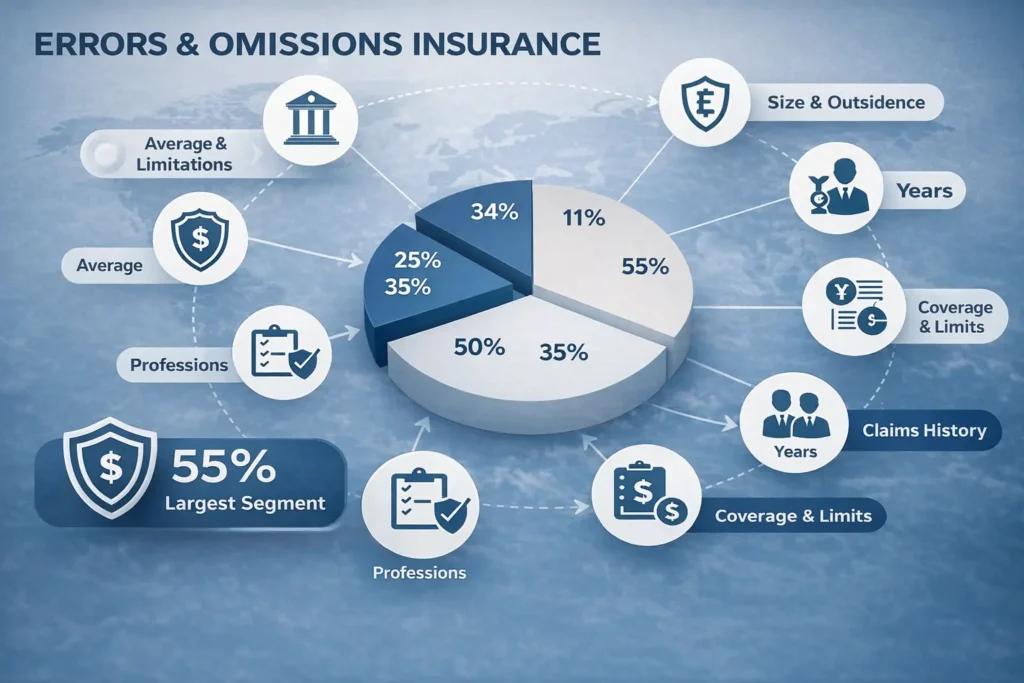
Ever wondered why your Errors and Omissions (E&O) insurance bill looks the way it does? You’re not alone. The costs of E&O insurance in Washington State are influenced by a mix of factors that can make your head spin.
Here is the deal: everything from your industry to your claims history can tweak your premium. Understanding these factors can save you a ton of money and headaches.
Key Factors Influencing Insurance Costs
Let’s break it down:
- Industry Type: Are you in a high-risk field like finance or real estate? Expect higher premiums.
- Coverage Amount: More coverage means more cost. It’s simple math.
- Deductible: Higher deductibles = lower premiums, but beware of out-of-pocket costs.
- Claims History: Frequent claims in the past? Insurers will charge more.
Pro Tip: Shop around. Quotes can vary dramatically between insurers, even for the same coverage.
Pricing Trends in Washington State
Curious about how pricing shakes out across different industries? Check this out:
| Industry | Coverage Amount | Deductible | Premium Range |
|---|---|---|---|
| Real Estate | $1 million | $5,000 | $1,500 – $3,000 |
| Finance | $1 million | $10,000 | $2,000 – $4,500 |
| Consulting | $500,000 | $2,500 | $800 – $1,800 |
Impact of Business Size and Risk Exposure
Size matters. A small business with minimal exposure will pay less than a large corporation. BUT, even within the same industry, the risk profile can change everything. A start-up might pay a fraction of what a seasoned company pays, simply because of the perceived risk.
Remember: It’s not just about size; it’s about how you manage your risks.
Selecting the Right Insurance Provider

Choosing the right errors and omissions insurance provider in Washington State can feel like looking for a needle in a haystack. Did you know that over 90% of small business owners aren’t fully satisfied with their insurance provider? Let’s change that.
When picking an insurance provider, you need to consider several criteria to ensure you’re getting the best coverage at the best price. Sure, everyone loves a good deal, BUT are you really protected when it counts? Here’s the deal: focusing on the right factors can save you a ton of headaches down the road.
Criteria for Selecting a Reliable Insurance Provider
The first step to finding a reliable insurance provider is knowing what to look for. Coverage Options are critical. Make sure the provider offers comprehensive coverage that fits your specific business needs. Secondly, check customer reviews. These give you an insider’s view of how the provider handles claims and customer service. Finally, consider the pricing. While cost is important, don’t let it be the only factor. The cheapest option may not always be the best.
Comparing Top Insurance Providers
Ready to compare? Here’s a table that breaks down the top errors and omissions insurance providers in Washington State. This will help you quickly identify which provider stands out in terms of coverage, customer service, and pricing.
| Provider | Coverage Options | Customer Reviews | Pricing |
|---|---|---|---|
| Provider A | Comprehensive, customizable | 4.5/5 | $$ |
| Provider B | Basic, limited | 3.8/5 | $ |
| Provider C | Extensive, includes extras | 4.7/5 | $$$ |
Importance of Customer Service and Claim Handling
Pro Tip: Never underestimate the power of excellent customer service. You want a provider that’s easy to contact and quick to respond. Smooth claim handling is a must. After all, the true test of an insurance provider is how they manage your claims. A provider that handles claims efficiently ensures you get back on track without unnecessary delays.
Steps to Apply for Errors and Omissions Insurance

Are you ready to protect your business from costly mistakes? Applying for Errors and Omissions Insurance in Washington State might be your next best move. Let’s dive into a step-by-step guide to help you through the process.
Securing the right insurance requires preparation, but don’t worry—I’ve got you covered. The application process involves gathering specific documents and understanding what insurers look for. Here is the deal: getting organized is the key to success.
Organizing Your Documentation
Before you start, make sure you have all the necessary documentation at hand. Insurers will ask for a variety of details about your business and professional history. If you want to streamline your application, follow these steps:
- Gather information about your business structure and any licenses or certifications.
- Prepare a detailed description of the services you offer and how long you’ve been in business.
- Collect records of any previous claims or legal issues related to your profession.
- Have your financial statements and proof of revenue ready for review.
Completing the Application Form
Now that you’re organized, it’s time to fill out the application form. This is where you get to showcase your business’s strengths and history. Here’s how you can make it seamless:
- Start with your company’s basic information, including your business name, contact details, and type of entity.
- Detail your experience and expertise in your field. Be honest and thorough; this boosts credibility.
- Disclose any prior claims or lawsuits. Transparency here is crucial to avoid complications later.
- Specify the coverage limits you need based on your risk assessment and client requirements.
Pro Tip: Double-check each section for accuracy before submission. Incomplete or inaccurate applications can delay the process.
Submitting Your Application
Once you’ve completed the form, it’s time to submit your application. But don’t just hit send and forget. Follow these final steps to ensure everything goes smoothly:
- Review your application for any errors or omissions.
- Submit to multiple insurers to compare quotes and coverage options.
- Follow up within a week to ensure your application is being processed.
Closure
As we wrap up this in-depth exploration of errors and omissions insurance in Washington State, remember that protecting your business is not just a necessity—it’s a strategic advantage. With the right coverage, you can face the future confidently, knowing that you’re prepared for whatever comes your way. Don’t leave your business exposed; safeguard it with the right policy today!
Common Queries
What is errors and omissions insurance?
Errors and omissions insurance is a type of liability insurance that protects businesses and professionals against claims of negligence or inadequate work.
Who needs errors and omissions insurance in Washington State?
Professionals like real estate agents, consultants, and accountants typically need this insurance in Washington State to protect against potential claims.
What does errors and omissions insurance cover?
This insurance covers legal defense costs and any settlements related to claims of negligence or poor service.
Are there legal requirements for errors and omissions insurance in Washington State?
While not legally required for all professions, some industries in Washington State mandate this insurance as part of licensing requirements.
How do I choose an insurance provider?
Select an insurance provider based on their reputation, customer service, coverage options, and pricing to ensure you get the best value for your needs.