Hey there, savvy North Carolinians! If you’re on a quest to discover the best insurance rates in NC, you’re in the right place. Navigating the insurance landscape can feel like deciphering a secret code, but fear not! We’ve broken down everything you need to know to secure the most competitive rates in the Tar Heel State.
Insurance isn’t just a monthly bill—it’s a crucial safety net for life’s unexpected hiccups. Whether it’s your car, home, health, or life, understanding your options and grabbing the best deal is key. Let’s dive into the world of insurance in NC and make it work for you with the trusted insights and strategies you need.
Overview of Insurance Types in North Carolina
Did you know that North Carolina residents spend nearly $35 billion annually on insurance? That’s a lot of money! But knowing exactly what coverage you need can save you a ton of cash.
When it comes to insurance in North Carolina, you’ve got several options: auto, health, home, and life insurance. Each is crucial, not just for peace of mind, but also because some are legally required. Let’s break down what each type covers and why it’s important for you.
Auto Insurance in North Carolina
In North Carolina, auto insurance is mandatory. The law requires you to have liability insurance to cover at least $30,000 per person for bodily injury, $60,000 per accident, and $25,000 for property damage. Skipping this isn’t an option unless you want penalties.
Pro Tip: Always look for a policy that offers more than the minimum. It’ll save you from a financial headache if you ever need to file a claim.
Health Insurance for North Carolinians
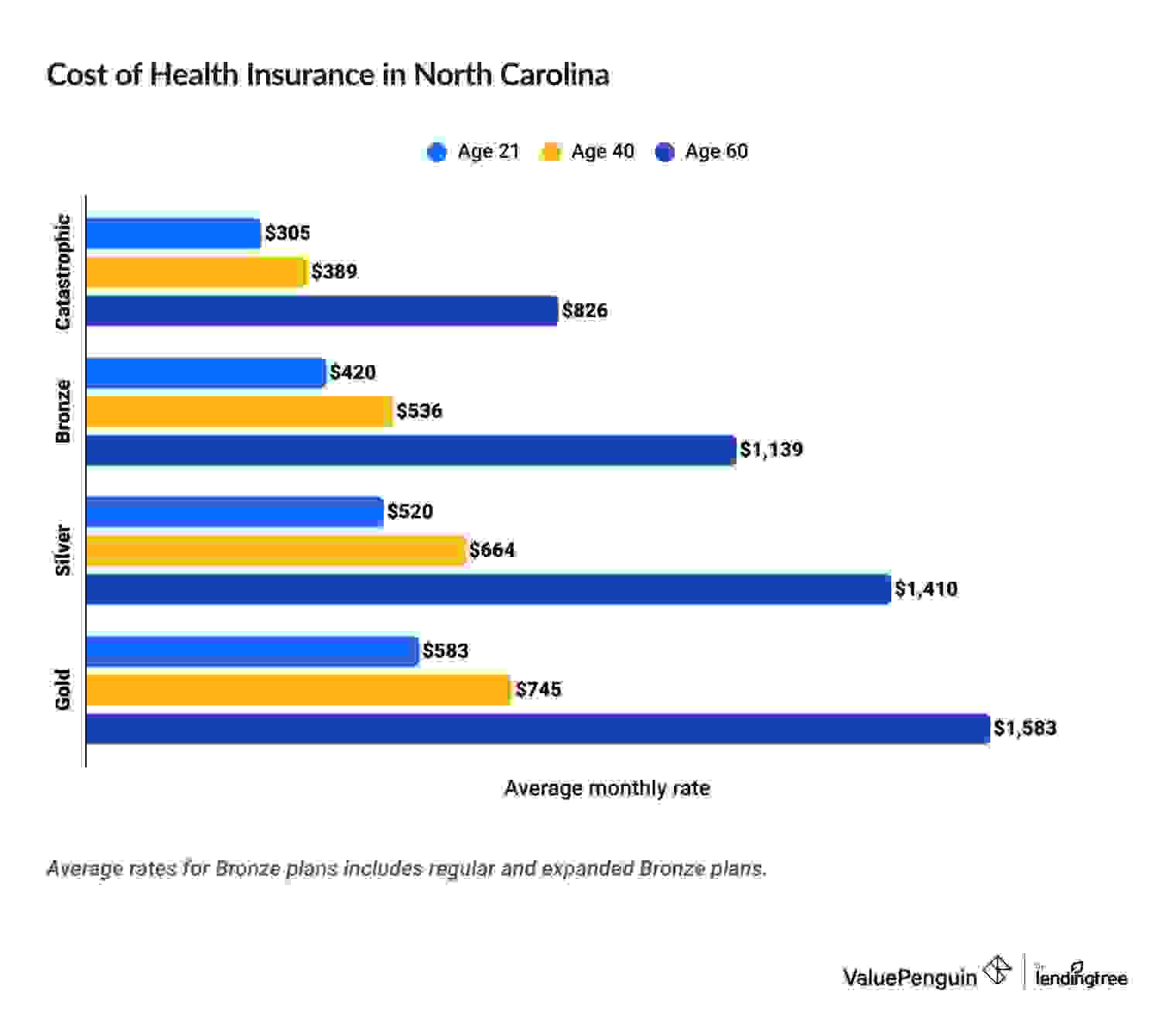
Good health insurance is like having a safety net. In NC, you have options through the ACA marketplace, private insurers, or employer-provided plans. The average yearly premium can range from $5,000 to $8,000 per individual. But remember, the right coverage can save you from huge medical bills.
Home Insurance Essentials
Let’s face it, your home is likely your biggest investment. Home insurance in North Carolina protects you from disasters like hurricanes and fires. The average cost is about $1,000 annually, but this can vary based on your exact location and home condition. The key benefit? It can replace your home and belongings in case of a disaster.
Life Insurance Options
Life insurance is all about protecting your loved ones. Whether you choose term or whole life insurance, the peace of mind you get is priceless. In NC, average costs hover around $50 per month, depending on your age and health. It’s about securing your family’s financial future.
Here’s a quick comparison of the insurance types:
| Insurance Type | Coverage Details | Average Cost | Key Benefits |
|---|---|---|---|
| Auto | Liability, Collision, Comprehensive | $1,200 per year | Legal Compliance, Financial Protection |
| Health | Medical, Dental, Vision | $5,000 – $8,000 per year | Medical Expense Coverage |
| Home | Structure, Contents, Liability | $1,000 per year | Disaster Recovery, Asset Protection |
| Life | Term, Whole Life | $50 per month | Family Security, Debt Coverage |
Factors Influencing Insurance Rates in NC

Ever wonder why your neighbor pays less for car insurance than you do? The secret lies in a mix of factors that determine insurance rates in North Carolina.
Understanding these factors can save you a ton of money. Let’s dive into the specifics.
Demographics and Location
Where you live and who you are can drastically impact your insurance premiums. If you’re in a bustling city, expect higher rates due to increased traffic and potential for accidents. Rural areas might offer you a cheaper deal.
Your age and gender also play a role. Younger drivers, especially males, often face higher premiums because they’re deemed riskier.
Driving and Claims History
Your past driving behavior is like a resume for insurers. A clean record? You get the rewards. Multiple tickets or accidents? You’ll likely pay more.
Claims history works similarly. Frequent claims can signal risk, nudging your rates higher. But here’s the deal: Some insurers will offer accident forgiveness programs.
Credit Scores and Their Impact
This might surprise you: your credit score can influence your insurance premiums. Insurers believe that those with better credit are less likely to file claims.
So, if your score isn’t up to par, it might be worth improving it.
Pro Tip: Paying bills on time can boost your credit score and lower your insurance rates.
Key Factors Affecting Insurance Rates
To make things crystal clear, here’s a list of factors that insurers consider:
- Location: Urban vs. rural can affect rates.
- Age and Gender: Younger males typically pay more.
- Driving Record: Clean history equals lower premiums.
- Claims History: Numerous claims can raise rates.
- Credit Score: Better scores often result in better rates.
Top Providers Offering Best Rates
Did you know that choosing the right insurance provider in North Carolina can save you hundreds of dollars each year? Let’s dive into the top companies offering the best rates so you’ll know where to look.
Finding affordable insurance isn’t just about the price tag—it’s about getting the most value for your money. Some companies offer rock-bottom rates, but lack the coverage you actually need. Here is the deal: You want competitive rates and robust service offerings. Let’s see who does it best in the Tar Heel State.
Major Players with Competitive Rates
In North Carolina, a few key players consistently come up when we talk about competitive insurance rates. These companies not only offer budget-friendly premiums but also maintain strong customer satisfaction. Let’s break it down:
- State Farm
- Geico
- Nationwide
- Progressive
- USAA (for eligible members)
These providers dominate the market for good reason. Each one offers unique benefits and potential drawbacks. It’s crucial to match their offerings with your specific needs.
Features and Services Comparison
To make it easy for you to compare, I’ve put together a table with key details on each provider. This should help you understand not just what you’ll pay, but what you’ll get.
| Company Name | Popular Policies | Customer Ratings | Average Premium Rates |
|---|---|---|---|
| State Farm | Auto, Home, Life | 4.5/5 | $1,300/year |
| Geico | Auto, Motorcycle, Renter’s | 4.4/5 | $1,250/year |
| Nationwide | Auto, Home, Pet | 4.2/5 | $1,350/year |
| Progressive | Auto, RV, Boat | 4.3/5 | $1,280/year |
| USAA | Auto, Home, Life | 4.8/5 | $1,100/year |
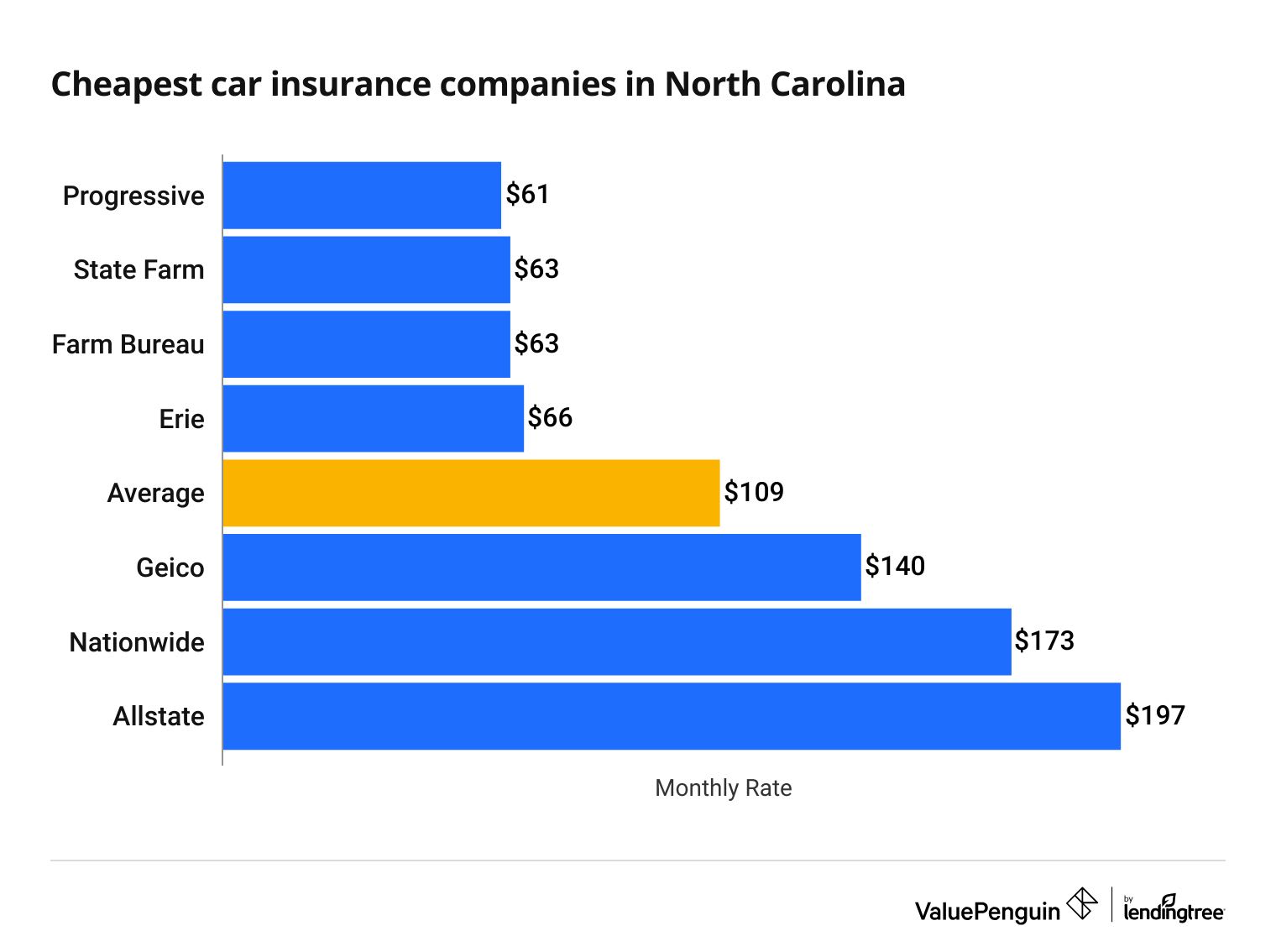
Each provider brings something different to the table. For instance, State Farm is known for its personalized service, while Geico consistently offers some of the lowest premiums. Nationwide offers unique add-ons like pet insurance, making it versatile for families. Progressive shines with its user-friendly online tools, and USAA, though exclusive to military families, offers outstanding rates and customer service.
Pro Tip: Always ask about discounts for bundling policies—this can lead to significant savings.
Understanding these differences can help you make an informed decision. Don’t just go for the cheapest rate; make sure the policy fits your lifestyle and needs.
Tips for Securing the Best Insurance Rates
Did you know that you could be paying up to 50% more on your insurance just because you didn’t shop around? It’s true! Many people stick with their first insurance provider without realizing the potential savings lurking around the corner.
Here is the deal: finding the best insurance rate isn’t just about luck. It’s about strategy. And if you follow a few key steps, you could end up with extra cash in your pocket every month.
Compare Quotes from Different Providers
Step #1: Don’t settle for the first quote you receive. By comparing quotes from at least three different providers, you could unlock significant savings. Insurance rates can vary dramatically between companies. Take the time to explore your options, and you’ll likely find a policy that offers a better bang for your buck.
Leverage Bundling for Discounts
Step #2: Are you using multiple insurance policies? Look into bundling them under one provider. Many companies offer substantial discounts when you bundle, such as combining home and auto insurance. You’ll not only save money but also simplify your payments and management of policies. Bundling can be a game-changer for your wallet.
Pro Tip: Always ask your insurance agent about bundling discounts. You might be surprised at how much you can save!
Table of Tips and Expected Savings
Ready to see how much you could save? Check out this table for a breakdown of tips and their potential savings.
| Tip | Expected Savings (%) |
|---|---|
| Compare Quotes | 20-30% |
| Bundle Policies | 10-15% |
| Increase Deductibles | 5-10% |
| Maintain a Good Credit Score | 5-20% |
Common Challenges in Finding Affordable Insurance
Think finding affordable insurance in North Carolina is easy? Think again. Many folks in NC face a slew of challenges when trying to score a good rate.
The truth is, factors like location, personal history, and policy type can throw a wrench in the process. But here’s the deal: understanding these obstacles is the first step toward overcoming them.
Key Obstacles in the Search for Affordable Insurance
Several challenges make it tough to find budget-friendly insurance. For instance, location-based risks can significantly impact your rates. If you live in an area prone to natural disasters, expect to pay more. Additionally, personal factors like your driving record or credit score can hike up your premiums.
Overcoming Insurance Challenges
Don’t let obstacles hold you back. You can take action to mitigate these challenges. First, regularly check and improve your credit score. Insurance companies often use this to set your rates. Second, consider bundling your insurance policies. Many providers offer discounts when you combine services. Lastly, always shop around and compare quotes.
- Challenge: High rates in disaster-prone areas.
- Solution: Invest in home improvements that mitigate risk, like storm shutters.
- Challenge: Poor credit score impacting premiums.
- Solution: Regularly review your credit report and dispute any inaccuracies.
- Challenge: Lack of awareness about available discounts.
- Solution: Ask insurers about loyalty, bundling, and safe-driving discounts.
Regulatory Changes and Their Impact
Did you know regulatory shifts can drastically impact your insurance costs? Changes in state laws or federal regulations can either help or hurt your wallet. For example, if the state mandates broader coverage, expect premiums to rise.
Pro Tip: Stay informed about legislative changes and adjust your policy as necessary to ensure you’re getting the best rate.
Future Trends in Insurance Rates
Are you prepared for the shifts in insurance rates on the horizon? You might be surprised by what’s coming. Insurance rates in North Carolina are poised for change, and understanding these trends can save you a lot of money.
Let’s delve into the future of insurance. With technology evolving rapidly, and regulatory changes on the table, you need to stay informed to make the best decisions for your coverage.
Technology and Innovation as Game Changers
Technology is not just changing how we live—it’s revolutionizing the insurance industry. AI and big data are set to play massive roles in determining insurance rates. Insurers can now analyze vast amounts of data to more accurately assess risk, which could lead to lower premiums for low-risk customers.
But, there’s a flip side. If you’re deemed high-risk based on your data, you might see your premiums soar. The key is staying ahead of the curve by understanding how these technological advancements could impact you.
Pro Tip: Keep your data clean! Insurers are watching how you drive, where you live, and even your social media habits.
Potential Regulatory Changes Impacting Insurance
Regulations can make or break how much you pay for insurance. North Carolina is already considering legislation to enforce transparency in premium calculations. This means you could soon see exactly why you’re being charged what you are, giving you more power to dispute overcharges or negotiate better rates.
Here is the deal: if new policies prioritize consumer rights, insurers may need to innovate to stay competitive, potentially reducing costs for you.
| Trend | Potential Impact | Timeframe | Industry Response |
|---|---|---|---|
| AI and Big Data Usage | More personalized and accurate premiums | 2-5 years | Adoption of AI risk assessment tools |
| Regulatory Transparency | Increased consumer power in rate negotiations | 1-3 years | Development of clear pricing models |
| Telematics and IoT | Behavior-based pricing | 3-7 years | Partnerships with tech companies |
Final Summary
In the ever-evolving world of insurance, staying informed is your best tool. As you navigate the waters of policy options and provider choices, remember that knowledge is power. By understanding the landscape of insurance rates in North Carolina, you’re better equipped to make decisions that align with your needs and budget. Here’s to securing peace of mind with the best insurance rates in NC!
Q&A
What types of insurance are most important in North Carolina?
Auto, health, home, and life insurance are crucial in North Carolina due to their role in protecting personal and financial well-being.
How do demographics affect insurance rates in NC?
Demographics such as age, gender, and marital status can significantly influence premium rates, as they are used to assess risk.
Which insurance providers offer the best rates in NC?
Providers like State Farm, GEICO, and Nationwide are known for competitive rates and comprehensive coverage options in NC.
How can I lower my insurance premiums?
Comparing quotes, maintaining a good credit score, and bundling policies are effective strategies to reduce insurance costs.
What challenges do residents face when finding affordable insurance in NC?
Common challenges include rising costs, complex policy options, and maintaining eligibility for discounts. Staying informed and proactive can help overcome these obstacles.
