Ever feel like your business is a rollercoaster ride? One minute you’re on top of the world, and the next, you’re bracing for a surprise drop. That’s where small business insurance swoops in, offering a safety net that keeps your business stable no matter what twists and turns come your way.
Welcome to the world of small business insurance where we not only explore the different types available but also dive deep into why they matter. Buckle up as we navigate through the essential coverage types, the importance of having a reliable provider, and how some legal know-how can keep you on the right track.
Types of Small Business Insurance
Did you know that 40% of small businesses never reopen after a disaster? Having the right insurance can make or break your business survival. Let’s dive into the essential types of insurance every small business should consider.
Insurance isn’t just a safety net; it’s a crucial armor for your business. Different policies cover different risks, so understanding them is key. Here is the deal: choose wisely, and you could save your business from an unexpected collapse.
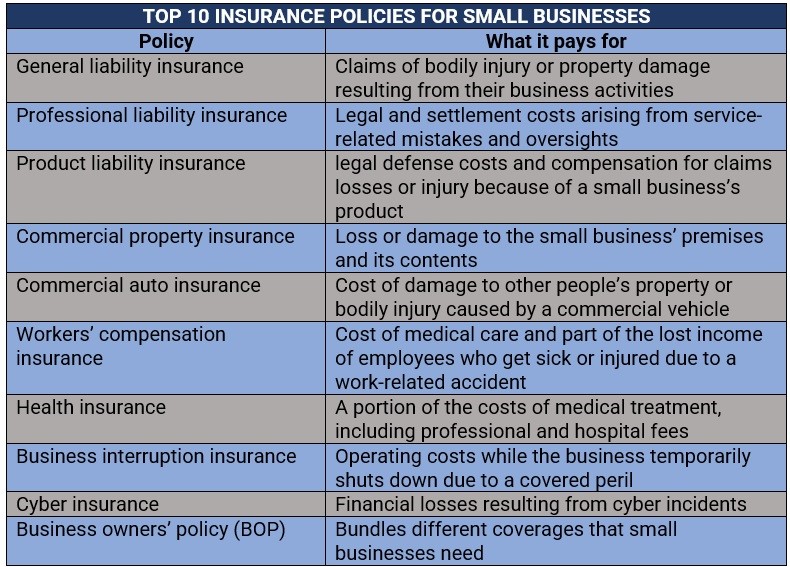
General Liability Insurance
This is the go-to insurance for most small businesses. It covers third-party lawsuits for bodily injury, property damage, and even advertising injuries. If you own a retail shop or a restaurant, this insurance is a must-have.
Pro Tip: Consider bundling general liability with other policies for cost savings.
Property Insurance
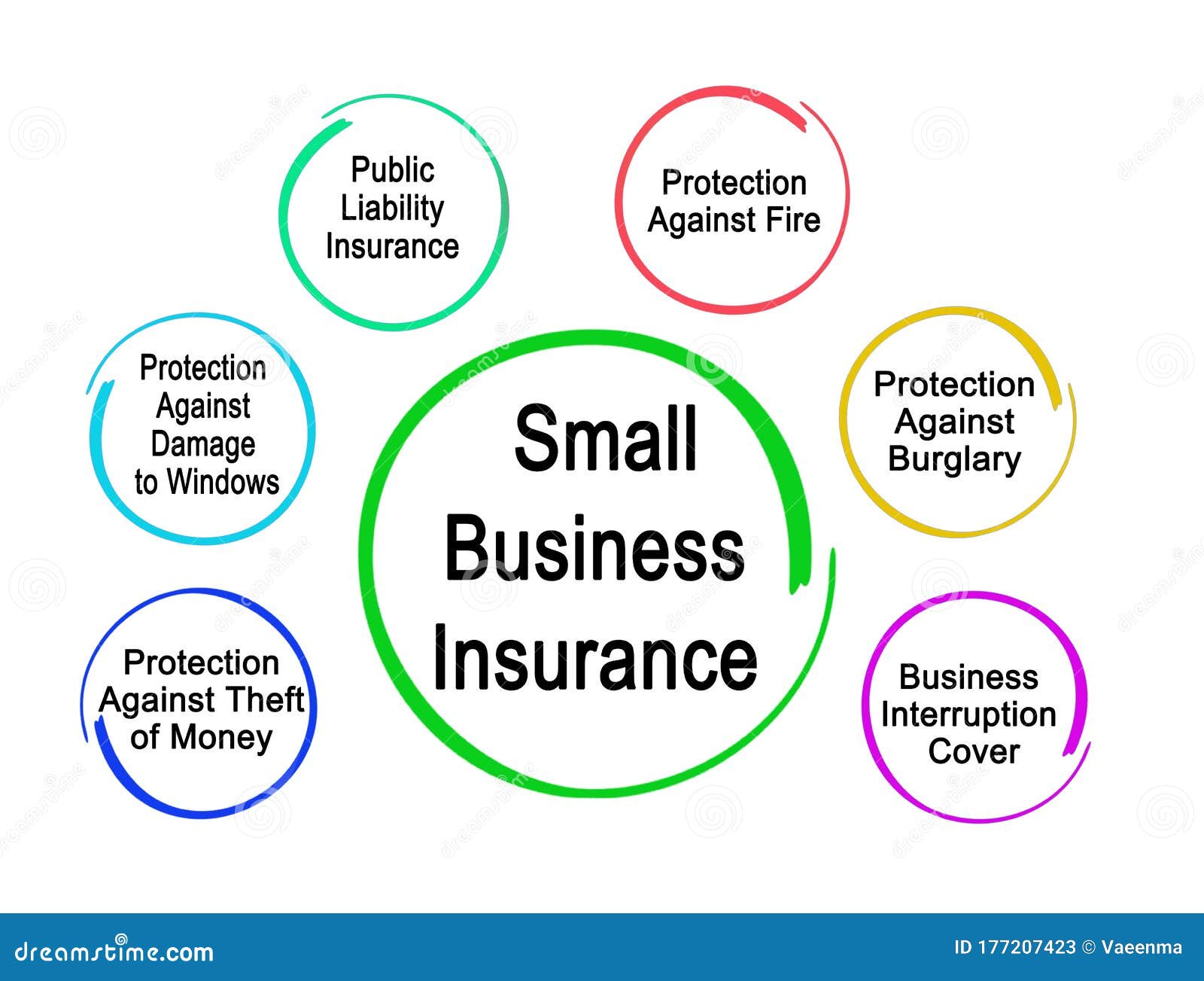
Property insurance protects your business premises and contents against risks like fire, theft, and vandalism. Got expensive equipment or a physical storefront? You’ll want this coverage to shield your assets.
Without it, a single incident could burn through your savings.
Professional Liability Insurance
Also known as errors and omissions insurance, this policy is essential for service-based companies. It covers legal costs from claims of negligence or mistakes in your professional services. Think consultants, accountants, and tech companies.
Business Interruption Insurance
Imagine your business can’t operate because of a disaster. Business interruption insurance compensates you for lost income during these periods. It’s like a life raft keeping your business afloat when things go south.
If your location is prone to natural disasters, don’t skip this one.
Workers’ Compensation Insurance
Step #1: Protect your employees. Step #2: Protect your business from lawsuits. This insurance covers medical expenses and lost wages if an employee gets hurt on the job. It’s often mandatory, so don’t overlook it.
| Insurance Type | Coverage Offered | Ideal For |
|---|---|---|
| General Liability | Third-party injuries & property damage | Retail, Restaurants |
| Property Insurance | Fire, theft, vandalism | Physical storefronts |
| Professional Liability | Errors & omissions | Service providers |
| Business Interruption | Lost income during closures | Disaster-prone areas |
| Workers’ Compensation | Employee injuries | All businesses with employees |
Importance of Small Business Insurance
Did you know that 40% of small businesses will file an insurance claim in the next decade? It’s true. And if you’re running a small business, you need to be prepared for the unexpected.
Insurance isn’t just a safety net—it’s your business’s lifeline. Without it, you’re exposed to risks that could cost you everything. Let’s dig into why having insurance is non-negotiable for small businesses.
Understanding the Risks and Liabilities
Small businesses face unique challenges every day. Imagine a customer slipping in your store or a fire damaging your office. Without insurance, you’re on the hook for every penny. That means potential lawsuits, property damage, and even business closure.
But here is the deal: the right insurance can be the difference between staying afloat or sinking. Real-world scenarios abound where insurance made or broke a business. For instance, consider a small bakery that suffered from a fire. Their insurance not only covered the damages but also provided income while they were closed.
Benefits of Having Insurance
Having insurance offers more than just peace of mind. Let’s break it down:
- Financial Security: It protects your assets from unforeseen events.
- Legal Protection: Covers legal fees and settlements.
- Credibility: Increases trust among clients and partners.
- Employee Protection: Offers health and liability coverage.
Pro Tip: Regularly review and update your insurance policy. Your needs evolve as your business grows.
The benefits are clear. Small business insurance isn’t just a policy—it’s a smart investment in your business’s future.
Selecting the Right Insurance Provider
Choosing the right insurance provider for your small business isn’t just about finding a good deal. It’s about protecting everything you’ve worked hard to build. So, how do you make the right choice?
Here’s the deal: not all insurance providers are created equal. Some might offer attractive rates, but lack the customer service or coverage options that your business needs. Your job is to find a provider that checks all the boxes.
Key Factors to Consider
Start by looking at the provider’s financial stability. You don’t want to find out the hard way that your provider can’t pay out claims when you need them most. Check their ratings with agencies like A.M. Best and Standard & Poor’s.
Next, consider the types of coverage they offer. Does the provider specialize in small business insurance, or is it just a side offering? A specialized provider is more likely to understand the nuances of your business needs.
Price isn’t everything. While budget is important, sometimes the cheapest option could end up costing you more in the long run. Look beyond the premium and consider the entire package.
Evaluating Different Providers
To properly evaluate different providers, you’ll need a methodical approach. Start by reading reviews and testimonials from other business owners. These insights can be more telling than the provider’s own marketing materials.
- Check the provider’s claim process. Is it straightforward or filled with red tape?
- Look at their customer support options. Do they offer 24/7 support?
- Ask about customization options. Can you tailor a policy to fit your unique needs?
Here is a pro tip:
Always ask for a sample policy. This will give you a clear picture of what’s covered—and what’s not.
The Role of Customer Service
Customer service is often the make-or-break factor when selecting an insurance provider. A company with stellar support can turn a problematic situation into a hassle-free experience.
Consider how fast they respond to inquiries. A provider that takes days to get back to you might leave you hanging in a time of crisis.
Communication is key. If a provider is transparent and proactive, it’s a good sign that they’ll handle your claims efficiently.
Comparing Provider Offerings
One effective way to compare the offerings of different insurance providers is by using a simple comparison table. This allows you to quickly scan and identify which provider meets your needs the best.
| Provider | Financial Stability | Coverage Options | Customer Service | Customization |
|---|---|---|---|---|
| Provider A | Excellent | Wide Range | 24/7 Support | High |
| Provider B | Good | Basic | Email Only | Low |
| Provider C | Very Good | Specialized | Phone Support | Medium |
By comparing key metrics side-by-side, you can make a more informed decision that aligns with your business priorities. Don’t leave this to chance; your business deserves the best protection available.
Cost Factors in Small Business Insurance
Did you know that 75% of small businesses are underinsured? That’s a staggering figure that could spell disaster for your business. Here’s the deal: understanding the factors that influence your insurance premiums can keep your business covered without breaking the bank.
Insurance costs aren’t random. They’re influenced by a handful of key factors. Your industry, business location, and claims history all play a role. BUT the size of your business and specific risk factors can also significantly impact what you pay.
Key Factors Influencing Premium Costs
When it comes to insurance premiums, knowledge is power. Let’s break down the main cost drivers:
- Industry Risks: High-risk industries like construction pay more due to increased accident likelihood.
- Business Size: Larger businesses often face higher premiums because they have more at stake.
- Claims History: If you’ve filed a lot of claims, insurers might see you as more likely to file again.
- Location Factors: Being in an area prone to natural disasters can skyrocket your rates.
Reducing Your Insurance Costs
Want to cut down on expenses? Here are some actionable steps to help you save:
- Shop Around: Compare quotes from different insurers to find the best rate.
- Bundle Policies: Combining different types of insurance with one provider often results in discounts.
- Risk Management: Implement safety protocols to minimize claims and potentially lower premiums.
- Increase Deductibles: Opting for a higher deductible can reduce your monthly premium.
Balancing Cost with Coverage Needs
Here’s where many business owners trip up: focusing solely on cost can leave you dangerously underinsured. Instead, strike a balance. Assess your business needs first, and then tailor your coverage. It’s not just about the lowest premium; it’s about adequate protection.
Imagine a scenario where a natural disaster hits. If you’ve got comprehensive coverage, it might seem expensive upfront, but it can save you from a financial wipeout. Pro Tip:
“Investing in higher coverage can prevent devastating losses down the road.”
Always consider the long-term impact of your decision.
Legal Requirements for Small Business Insurance

Did you know that 40% of small businesses are not compliant with insurance laws? That’s a ticking time bomb! Understanding the legal requirements for insurance can save you from hefty fines and keep your business running smoothly.
Small businesses are often required by law to carry certain types of insurance, like workers’ compensation or unemployment insurance. These aren’t just recommendations—they’re legally binding in many states. Non-compliance can lead to serious consequences, including fines, legal action, and even the shutdown of your business.
Understanding State-Specific Insurance Regulations
Each state has its own set of insurance laws. While some states may require additional coverage types, like disability insurance, others may have more lenient requirements. Here is the deal: knowing your state’s specific insurance laws is crucial to staying compliant.
Pro Tip: Always consult with a legal advisor or insurance expert to ensure you’re meeting all state-specific requirements.
| State | Required Insurance | Additional Notes |
|---|---|---|
| California | Workers’ Comp, Disability | Depends on the number of employees. |
| Florida | Workers’ Comp | Mandatory for non-construction businesses with 4+ employees. |
| New York | Workers’ Comp, Disability | Includes domestic workers employed 40+ hours per week. |
| Texas | None (opt-in for Workers’ Comp) | Employers can choose not to have coverage, but there are risks. |
It’s important to note that compliance doesn’t just protect your business from legal issues; it also builds trust with your employees and clients. Step #1: Verify the specific insurance requirements for your state. Step #2: Implement the necessary policies to ensure you’re fully covered.
How to File a Claim
Did you know that 40% of small businesses will file an insurance claim within the next 10 years? It’s crucial to understand how to file a claim properly to avoid potential pitfalls and ensure you get the coverage you deserve.
Filing an insurance claim can feel overwhelming, BUT it doesn’t have to be. By following a structured process, you can make sure your claim is processed smoothly and efficiently.
Step-by-Step Guide to Filing an Insurance Claim
The process of filing a claim can be broken down into manageable steps. Here’s the deal:
- Notify Your Insurance Provider: Contact your insurer as soon as an incident occurs. Some policies have tight deadlines for reporting claims.
- Document Everything: Take photos, gather receipts, and jot down detailed notes about the incident. This documentation will form the backbone of your claim.
- Fill Out the Claim Form: Complete all required fields with accurate information. Missing or incorrect details can delay your claim.
- Submit Your Documentation: Send your completed claim form and supporting documents to your insurer. Double-check for completeness.
- Follow Up: Stay in touch with your insurance provider to keep track of your claim’s status.
Common Mistakes to Avoid in the Claim Process
Even small errors can lead to claim denials or delays. Here’s what not to do:
- Waiting too long to file your claim.
- Providing insufficient documentation.
- Exaggerating the extent of your loss.
- Overlooking policy exclusions that can affect your claim.
Checklist for Preparing Documentation for Claims
Preparation is key. Make sure you’re equipped with the following before filing:
- Incident Report: A detailed account of what happened.
- Photos/Videos: Visual evidence of damage or loss.
- Receipts/Invoices: Proof of value for damaged or stolen items.
- Witness Statements: Testimonies from any observers.
- Police Report: If applicable, especially in cases of theft or vandalism.
- Insurance Policy: Your own copy to reference specific terms.
Pro Tip: Always keep a dedicated file for all claim-related communications and materials. Having everything organized can significantly speed up the process.
Closure
As you wrap your head around the nuances of small business insurance, remember that it’s not just a legal obligation—it’s a strategic move. A well-chosen policy can protect your hard-earned business, giving you peace of mind to focus on what you do best. Consider insurance your invisible shield, ready to defend your business against unforeseen challenges. Stay informed, choose wisely, and let your business soar.
Q&A
What are the main types of small business insurance?
The main types include general liability insurance, property insurance, and workers’ compensation insurance.
Why is small business insurance important?
It protects your business from financial losses due to accidents, lawsuits, and other unforeseen events.
How can I choose the right insurance provider?
Consider factors like coverage options, customer service, and cost. Compare different providers to find the best fit for your needs.
What factors influence the cost of small business insurance?
Business size, industry, location, and coverage levels can all impact premium costs.
What are the legal requirements for small business insurance?
Legal requirements vary by state and industry, but generally include workers’ compensation and liability insurance.
