Have you ever wondered what keeps a small business afloat in stormy weather? The secret often lies in the protection offered by small business insurance. In today’s uncertain world, understanding and investing in the right business insurance can be the difference between sinking and swimming. So, let’s dive into the fascinating world of small business insurance and discover how it can safeguard your entrepreneurial dreams.
As we embark on this journey, I’ll walk you through the types of insurance your small business might need, explain why commercial insurance is so crucial, and help you choose the right policy. With insights and examples, you’ll see how insurance isn’t just about paying a premium—it’s about peace of mind and longevity for your enterprise.
Types of Small Business Insurance
Did you know that 40% of small businesses will experience a property or liability loss in the next 10 years? If you’re not covered, that could spell disaster.
There are several types of small business insurance that can protect you from potential losses. The trick is knowing which ones you need and how they can safeguard your venture.
General Liability Insurance
Think you don’t need it? Think again. This policy covers legal hassles due to accidents, injuries, and claims of negligence. It’s the backbone of your insurance strategy, especially when unexpected events strike.
Property Insurance
Your business property is your lifeline. Protect it from fire, theft, and damages with property insurance. Without it, one incident could freeze your operations.
Workers’ Compensation Insurance
If you have employees, this is a must. It covers medical treatment, disability, and death benefits in the event of an employee injury. Don’t get caught without it.
Business Interruption Insurance
Ever think about what happens if a disaster temporarily shuts you down? This insurance has your back by covering lost income and expenses. It’s like a parachute for your financials.
Professional Liability Insurance
Also known as Errors and Omissions insurance. It protects you from claims of negligence or mistakes in your professional services. Essential for service-oriented businesses.
Commercial Auto Insurance
If your business uses vehicles, ensure they’re covered. This policy protects your business from liability related to vehicle use. Don’t hit the road without it.
Coverage Examples
Here’s a quick look at insurance types and their coverage:
| Insurance Type | Coverage Example |
|---|---|
| General Liability | Customer slips and falls on your premises |
| Property Insurance | Fire damages your office building |
| Workers’ Compensation | Employee injures themselves on the job |
| Business Interruption | Natural disaster halts operations |
| Professional Liability | Client claims a service mistake |
| Commercial Auto | Vehicle accident during deliveries |
Pro Tip: Ensure you review your policy limits and coverage regularly to stay protected as your business evolves.
Importance of Commercial Insurance for Small Businesses
Think your small business doesn’t need insurance? Think again. In today’s unpredictable world, commercial insurance isn’t just a safety net — it’s a necessity. Let’s dive into why it’s so crucial for your business.
Every small business faces a multitude of risks, from property damage to customer lawsuits. Without the right coverage, even a minor mishap could lead to major financial setbacks. But with commercial insurance, you can protect your assets and ensure your business keeps running smoothly.
Why Small Businesses Need Commercial Insurance
When you run a small business, you’re exposed to various risks daily. Let’s break down some compelling reasons why commercial insurance is a game-changer:
- Legal Requirements: Many states mandate certain types of insurance for businesses. Don’t get caught off guard.
- Financial Security: Insurance can cover unexpected costs that might otherwise cripple your business.
- Peace of Mind: Knowing you’re covered allows you to focus on what you do best: growing your business.
Imagine facing a lawsuit without any insurance to back you up. The legal fees alone could drain your resources. But here’s the deal: having the right policy in place can save you from financial ruin.
Potential Risks Without Proper Insurance
Think your business can handle anything? Let’s talk about some real threats you might face without the right coverage:
- Property Damage: Fires, floods, or theft can occur when you least expect. Insurance ensures you’re not left out to dry.
- Liability Claims: Even a small error can lead to big legal claims. Insurance covers these costs, so you’re not paying out of pocket.
- Employee Injuries: Without workers’ compensation, an employee injury could lead to hefty medical bills and legal fees.
Pro Tip: Review your insurance policy annually to ensure it evolves with your business needs and growth.
Here’s the truth: comprehensive insurance coverage isn’t a luxury — it’s a vital part of running a successful small business. It shields you from risks you might not even see coming and provides a solid foundation for your entrepreneurial journey.
Benefits of Comprehensive Insurance Coverage
Sure, insurance costs money. But let’s take a look at the benefits that make it worth every penny:
- Covers Legal Fees: Protects against the sky-high costs of legal battles.
- Safeguards Assets: Ensures your property and equipment are protected from damage or loss.
- Builds Credibility: Shows clients and partners that you’re responsible and trustworthy.
In conclusion, don’t just wing it when it comes to protecting your business. Equip yourself with the right insurance and operate with confidence, knowing you’re covered against unforeseen events.
Choosing the Right Insurance Policy
Did you know that 40% of small businesses have no insurance at all? If you’re one of them, it’s crucial to turn this around.
Choosing the right insurance policy isn’t just about ticking a box. It’s about securing your business’s future. But here is the deal: not every policy is suited for your unique business needs.
Factors to Consider When Selecting an Insurance Policy
First, evaluate your business risks. Are you in a high-risk industry like construction or a low-risk field like consulting? Your level of risk will guide which coverage is necessary. Next, consider your budget. While it’s tempting to go for the cheapest option, sometimes spending a bit more can save you later.
Also, assess the coverage limits. Some policies cover only the basics, while others offer comprehensive protection. Don’t get caught with a policy that leaves you exposed. Finally, think about customer reviews. What are other small business owners saying about a provider?
Comparing Insurance Providers and Their Offerings
Shopping for insurance can feel like sifting through a jungle of jargon. But understanding what each provider offers will help you cut through the noise. Start by comparing their reputation and financial stability. The last thing you want is an insurance provider that can’t pay out when disaster strikes.
Look at their claims process. Is it easy and straightforward, or a bureaucratic nightmare? Finally, check if they offer customized policies for your industry. Some providers specialize in specific areas, offering tailored solutions that might better suit your business.
Pro Tip: Always request a sample policy document to scrutinize the fine print before committing.
Policy Features, Costs, and Benefits Comparison
Here’s a quick snapshot of what different providers might offer:
| Provider | Features | Cost | Benefits |
|---|---|---|---|
| Insurance Co A | Basic coverage, Quick claims | $$ | Fast response time |
| Insurance Co B | Comprehensive coverage, Industry-specific | $$$ | Tailored packages |
| Insurance Co C | Basic coverage, Low cost | $ | Affordable |
Cost Considerations for Business Insurance
Are you overpaying for your business insurance? Most small business owners are, and they don’t even know it. Let’s talk about how insurance costs are determined and, more importantly, how you can cut those costs.
Insurance premiums can be a major expense for small businesses. BUT, understanding how these costs are calculated can give you the upper hand. The price you pay is based on various factors like business type, location, and your claims history.
Breaking Down Insurance Cost Factors
You might wonder, “What exactly goes into calculating my premiums?” Well, several key factors play a role. The type of business you operate is a big one. For instance, a construction company will likely pay more than a small retail shop because there’s more risk involved.
Location is another factor. If you’re in a high-crime area, expect your rates to be higher. Your claims history is like your insurance report card; fewer claims usually mean lower rates.
Strategies to Reduce Insurance Costs
Here is the deal: you don’t have to sacrifice coverage to save money. Step #1: Increase your deductible. A higher deductible means a lower premium. Just make sure you can cover the higher out-of-pocket cost if you do need to file a claim.
Step #2: Bundle your policies. Many insurers offer discounts if you purchase multiple types of coverage from them. Step #3: Ask for discounts. You’d be surprised how many discounts are available, from safety programs to loyalty discounts.
Pro Tip: Regularly review your policies to remove unneeded coverage and update your insurer about changes that reduce risk.
Cost Factors and Savings Strategies
Here’s a quick rundown of the factors affecting your insurance costs and how you can save:
| Cost Factor | Potential Savings Strategy |
|---|---|
| Business Type | Implement risk management practices to lower premiums. |
| Location | Consider relocating to a lower-risk area if feasible. |
| Claims History | Maintain a clean claims history by improving safety measures. |
| Policy Bundling | Bundle multiple policies to receive discounts. |
| Deductible | Increase your deductible for lower premium costs. |
Real-Life Examples of Small Business Insurance Claims

Ever wonder what happens when a business faces a catastrophic loss without insurance? It’s not pretty. Let’s dive into some real-life examples where insurance was a game changer and others where its absence led to disaster.
Understanding real-world scenarios can help you grasp the true value of insurance. These stories aren’t just cautionary tales; they’re lessons in business survival and resilience.
How Insurance Saved a Bakery from Bankruptcy
A local bakery suffered a devastating fire. The damage was extensive, and without property insurance, the owners would have been forced to shut down. Fortunately, their policy covered the damage, allowing them to rebuild and even improve their facilities.
This case highlights the importance of being prepared for the unexpected. If you run a small business, think about the assets you can’t afford to lose.
Tech Startup’s Data Breach Nightmare
Imagine a tech startup hit by a major data breach. It sounds like a nightmare, right? For one company, cyber insurance turned this nightmare into a manageable issue. Their policy covered the legal fees and notification costs, saving them from financial ruin.
Cyber insurance is often overlooked by small businesses, but it’s crucial in today’s digital age. Don’t wait until it’s too late to protect your digital assets.
Lessons from a Restaurant Lacking Business Interruption Insurance
When a popular restaurant was forced to close temporarily due to a local flood, they quickly realized the cost of not having business interruption insurance. The revenue loss was crippling, and it took months to recover.
- Lesson One: Don’t underestimate the impact of unexpected closures.
- Lesson Two: Business interruption coverage is your financial lifeline in such situations.
Pro Tip: Always assess the specific risks associated with your industry and ensure your coverage matches those risks.
These examples underscore that insurance isn’t just an expense—it’s an investment in your business’s future. You don’t want to gamble with your livelihood.
Future Trends in Small Business Insurance

Think insurance is just about covering losses? Think again. The future of small business insurance is rapidly evolving, and if you’re not keeping up, you could be left in the dust.
The insurance industry is on the brink of a tech revolution. Innovations are reshaping how policies are written, managed, and sold. This means big changes—and big opportunities—for small businesses.
Emerging Trends Affecting Small Business Insurance Needs
One of the biggest game-changers is the rise of customized insurance policies. Forget one-size-fits-all; businesses now demand policies tailored to their specific risks. This shift is driven by the increasing complexity of business operations and technology adoption.
Another trend? Cyber liability insurance is no longer optional. With cyberattacks on the rise, small businesses must protect themselves from data breaches and IT failures, or face crippling financial consequences.
Innovations in Insurance Technology and Their Impact
Insurance tech, or “insurtech,” is shaking things up. AI and blockchain are streamlining claims processing and underwriting. This means faster service and potentially lower premiums for small businesses. But, here is the deal: you need to embrace these technologies to stay competitive.
Pro Tip: Adopt insurtech solutions early to gain a competitive edge in premium negotiation.
Telematics and IoT devices are also making waves. These technologies allow insurers to gather real-time data and offer dynamic pricing models. Imagine paying less for insurance because your business operates safer than average!
Future Challenges and Opportunities in the Insurance Industry
The future is not without its challenges. Regulatory changes could disrupt how insurance is delivered. Small businesses need to stay informed to avoid costly compliance issues.
On the flip side, there’s a goldmine of opportunities. New risks, like those arising from climate change and global pandemics, will create demand for innovative insurance products. Being proactive and adapting to these changes can set your business apart.
Here’s a quick rundown of what to watch for:
- Adapting to new regulations.
- Developing insurance products for emerging risks.
- Leveraging technology for better customer service.
Closure
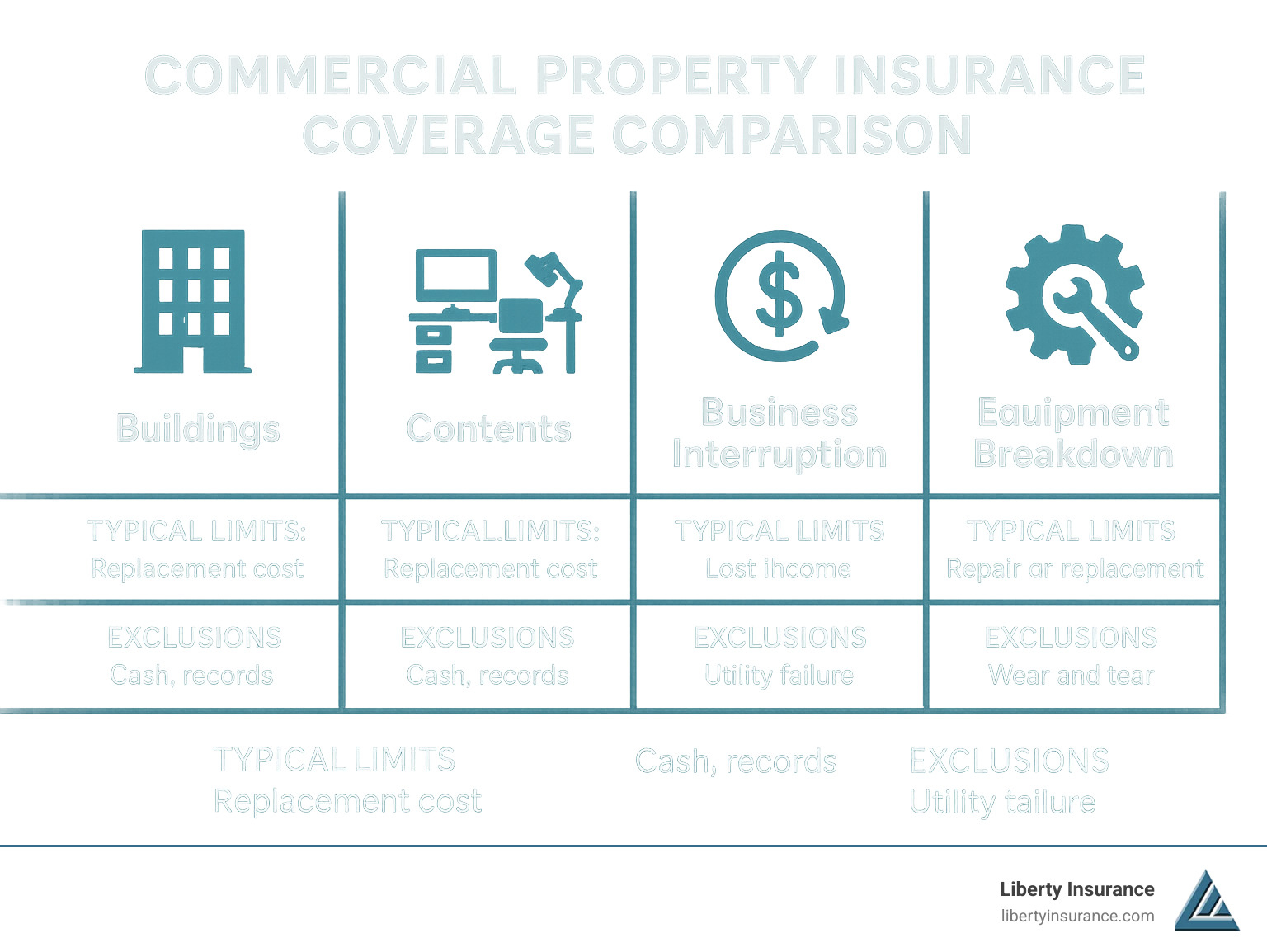
In the ever-evolving landscape of small business, having the right commercial insurance is like having a reliable co-pilot on your entrepreneurial flight. It shields you from the unexpected, allowing you to focus on growth and innovation. So, as you chart the course for your business, remember that investing in the right insurance policy is not just a smart decision—it’s a vital part of your success strategy. Stay insured, stay secure, and let your business soar to new heights.
Answers to Common Questions
What are the key types of small business insurance?
The key types include general liability insurance, professional liability insurance, and property insurance. Each offers different protections tailored to specific business needs.
Why is commercial insurance important for small businesses?
Commercial insurance is crucial because it protects against financial losses due to unforeseen events like lawsuits, property damage, or employee injuries.
How can a small business choose the right insurance policy?
Considerations should include the nature of your business, potential risks, budget, and comparing offerings from various providers to find the best fit.
What factors influence the cost of small business insurance?
Factors include the type of business, location, size, number of employees, and coverage limits. Risk level and claim history also play a role.
Can small businesses reduce insurance costs without losing coverage?
Yes, by increasing deductibles, bundling policies, and implementing risk management strategies, businesses can lower costs while maintaining coverage.
What are some real-life examples of small business insurance claims?
Examples include theft recovery, liability claims for customer injuries, and property damage from natural disasters. These highlight the value of adequate coverage.
